Designing Nature’s Half:
The Blog
News and education about landscape conservation and design.
🌎Making Room for Everyone & Book Update
World Habitat Day reminds us that people need places to live. Nature needs space too. The challenge is not choosing between them, but designing connected landscapes that can support human communities, biodiversity, and climate action together.
🌎You Can't Conserve Wildlife Without Conserving Habitat
Wildlife cannot survive without habitat, yet we continue shaping landscapes one development project at a time. What if we started with a different question: what should the whole landscape become? Landscape conservation design offers another way.
🌎How Much Room Will Nature Need?
How much room will nature need? Conservation science suggests roughly half the Earth as a precautionary benchmark for ecological sufficiency, giving ecosystems the space to function and species the chance to persist. Climate change adds another dimension to that ambition: the same landscapes that let nature thrive also store and remove carbon, buffering communities and the climate. Two sides of the same coin. 50x50.
🌎Conservation Beyond 1.5°C
The world is increasingly likely to exceed 1.5°C of warming. For conservation, that alters more than the urgent need to protect nature—it also changes the very goals of protection and what effective stewardship must accomplish. As landscapes transform under climate and other pressures, species and ecosystems will require space to move, reorganize, and adapt over time. Are we providing them with enough room and the right conditions to persist and thrive?
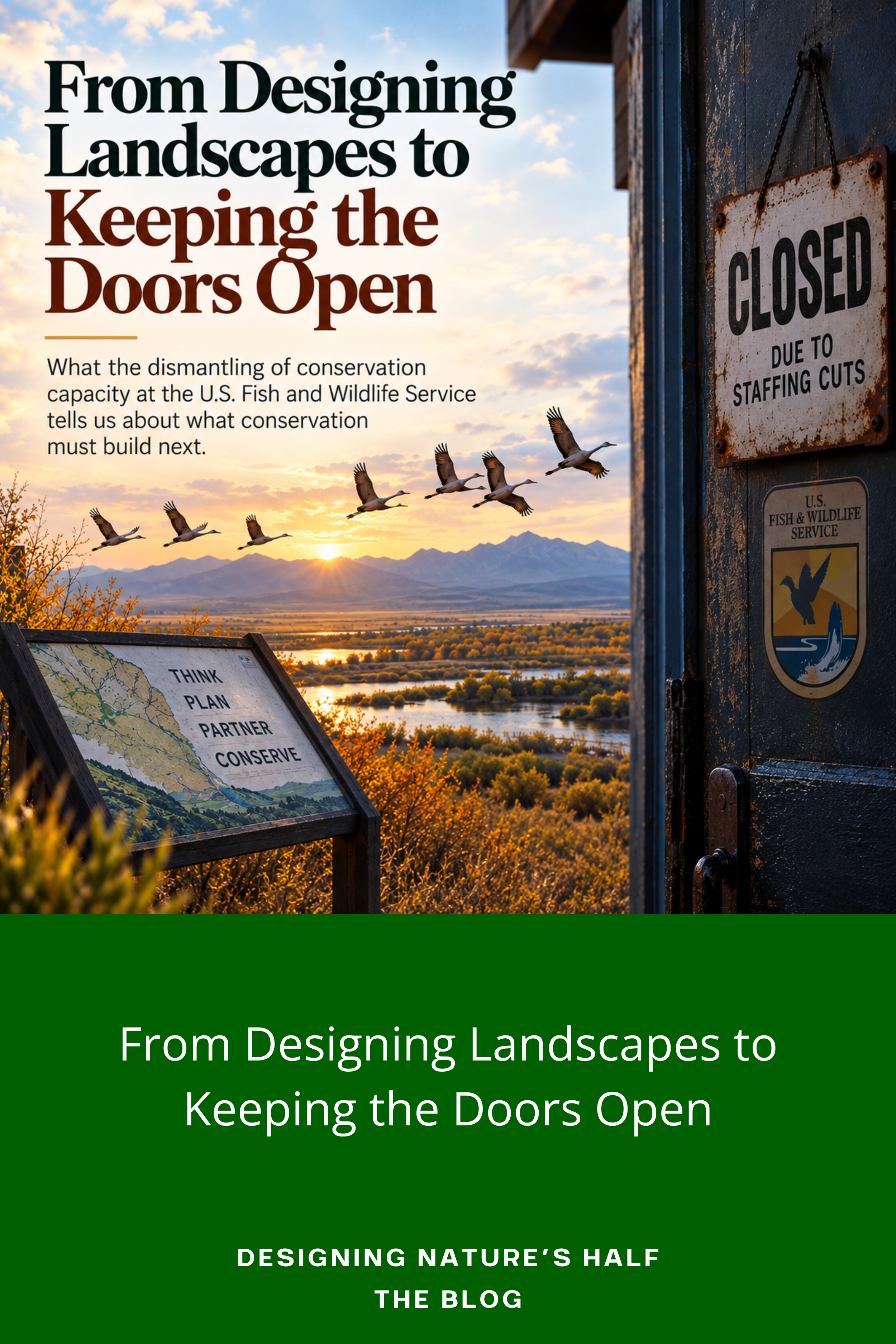
🌎From Designing Landscapes to Keeping the Doors Open
Fifteen years ago, the National Wildlife Refuge System was helping to pioneer a landscape-scale approach to conservation in a changing climate. Today, the USFWS is rapidly losing people, expertise, and essential institutional capacity at an extraordinary rate. After 25 years in federal conservation, I believe the lesson is clear: we must protect what we've built—and begin building conservation institutions that are durable, well-resourced, and adaptable enough for the challenges that lie ahead.
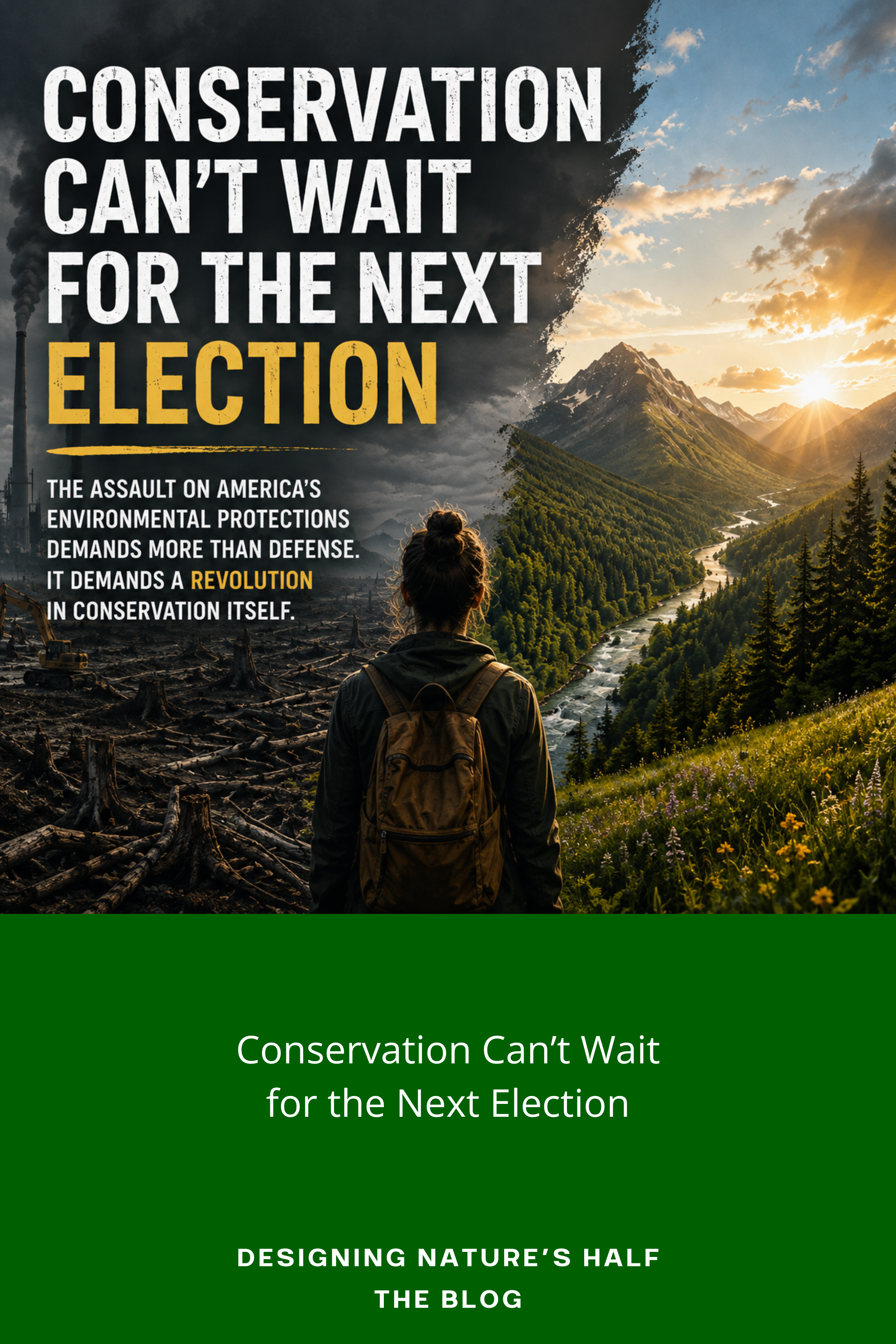
🌎Conservation Can’t Wait For The Next Election
America’s environmental protections are being steadily dismantled while climate change and accelerating biodiversity loss continue reshaping the very landscapes conservation seeks to protect. Defending what generations before us built remains essential, and honoring that legacy requires sustained political will, long-term investment, and community stewardship. But defense alone is not enough. Conservation must also build durable institutions, practical skills, and broad community capacity to proactively design and manage landscapes that are resilient, equitable, and able to sustain both people and nature into the future.
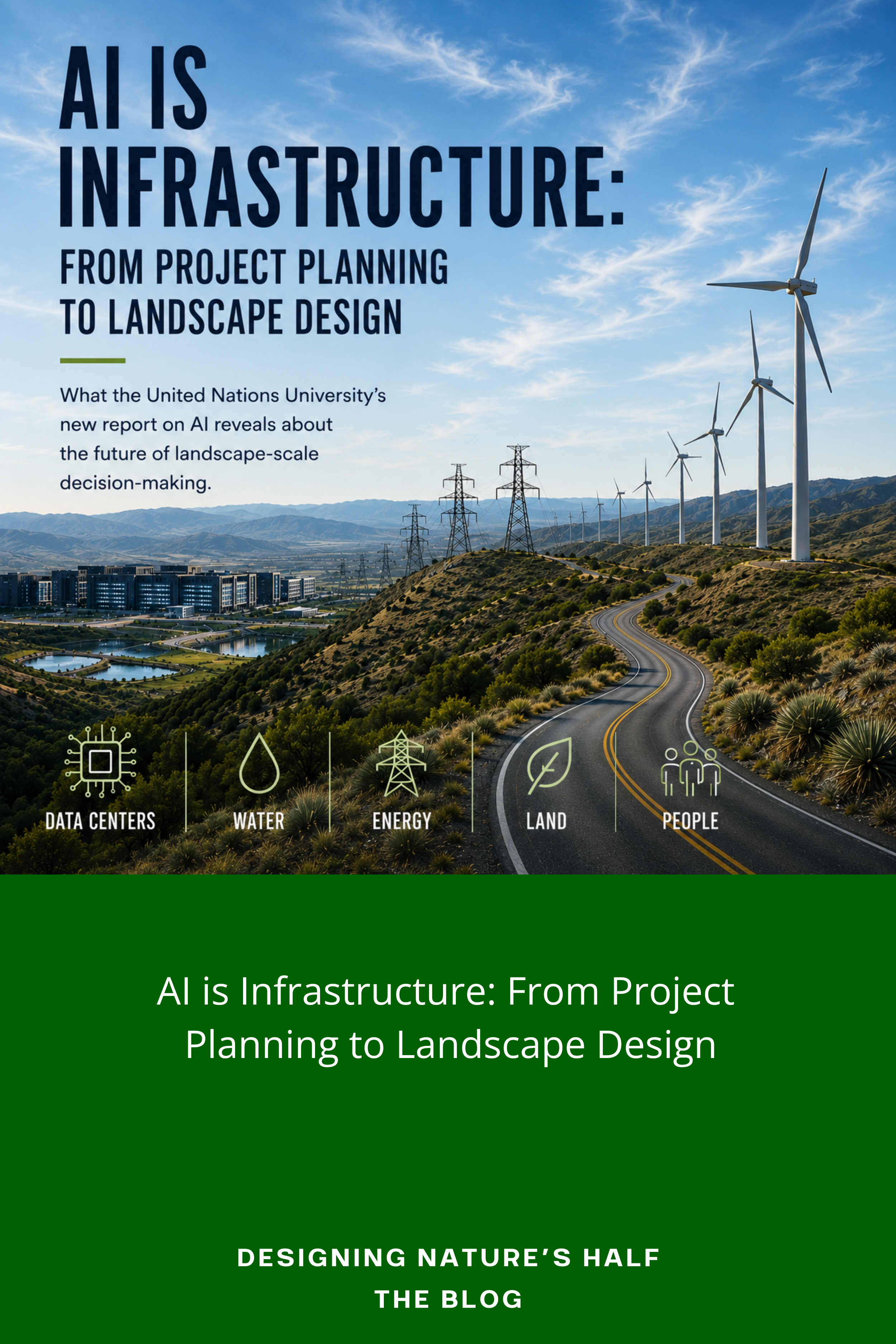
🌎AI Is Infrastructure: From Project Planning to Landscape Design
Artificial intelligence is often described as software, but a new United Nations University report argues that it is also physical infrastructure. If AI will reshape our landscapes through its demands for energy, water, transmission, and land, are project-by-project decisions still enough? This essay explores why the future of conservation may depend on moving from project-by-project planning to intentional landscape design.
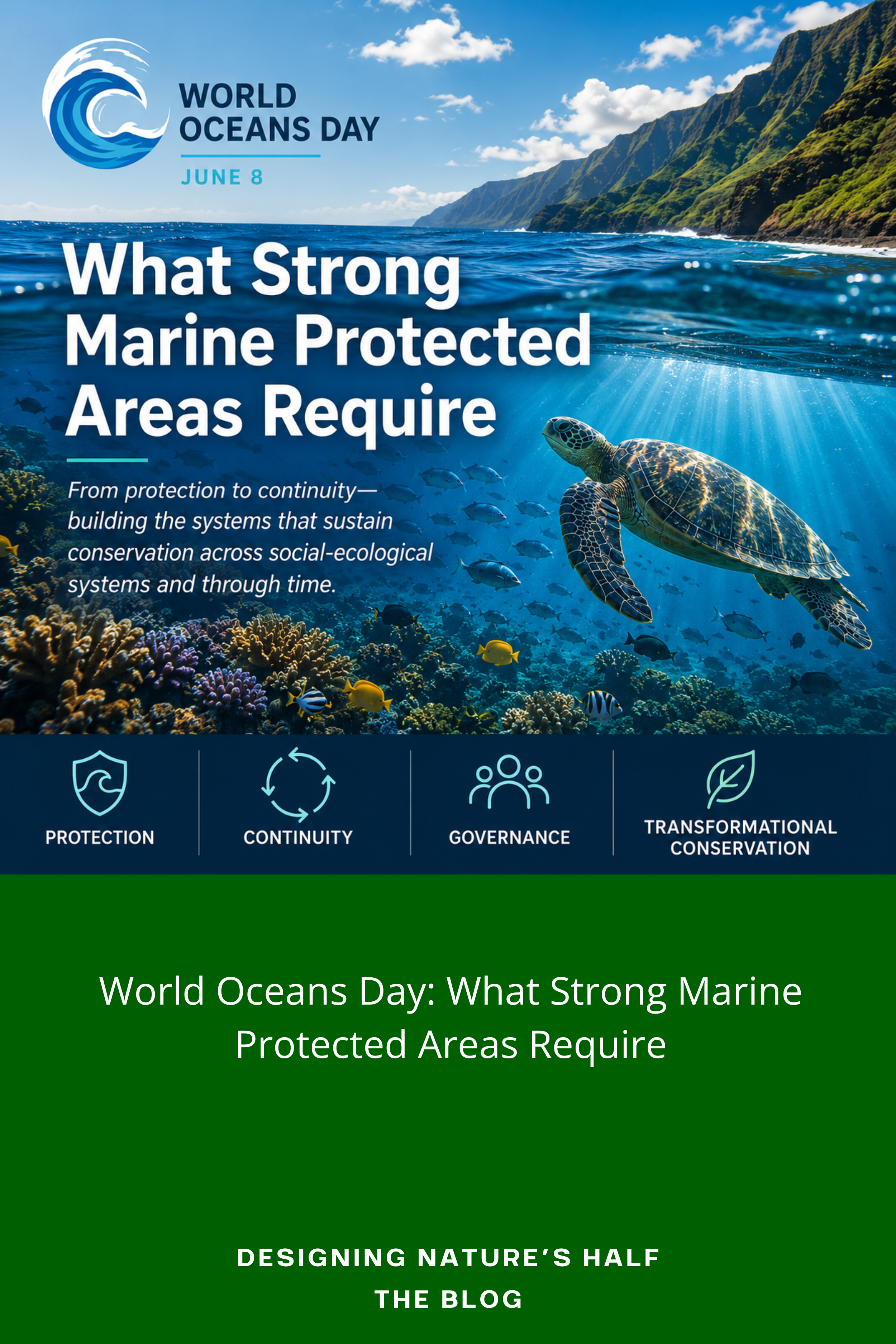
🌎World Oceans Day: What Strong Marine Protected Areas Require
What makes a marine protected area strong?
World Oceans Day 2026 focuses on the importance of strong marine protected areas, but the answer extends beyond oceans alone. Drawing on firsthand experience from the management planning process for Papahānaumokuākea Marine National Monument, this reflection explores why conservation depends not only on protection, but also on continuity. From marine protected areas to landscape-scale conservation, transformational conservation ultimately requires the institutions, governance systems, and decision processes capable of sustaining conservation across social-ecological systems and through time.